Is Your Business Cash Flow Ready for Tariffs?
We break down what tariffs are, how they impact your cash flows, and practical strategies you can use to manage the risk. Tariffs are unpredictable, but your cash flow doesn’t have to be.
Introduction
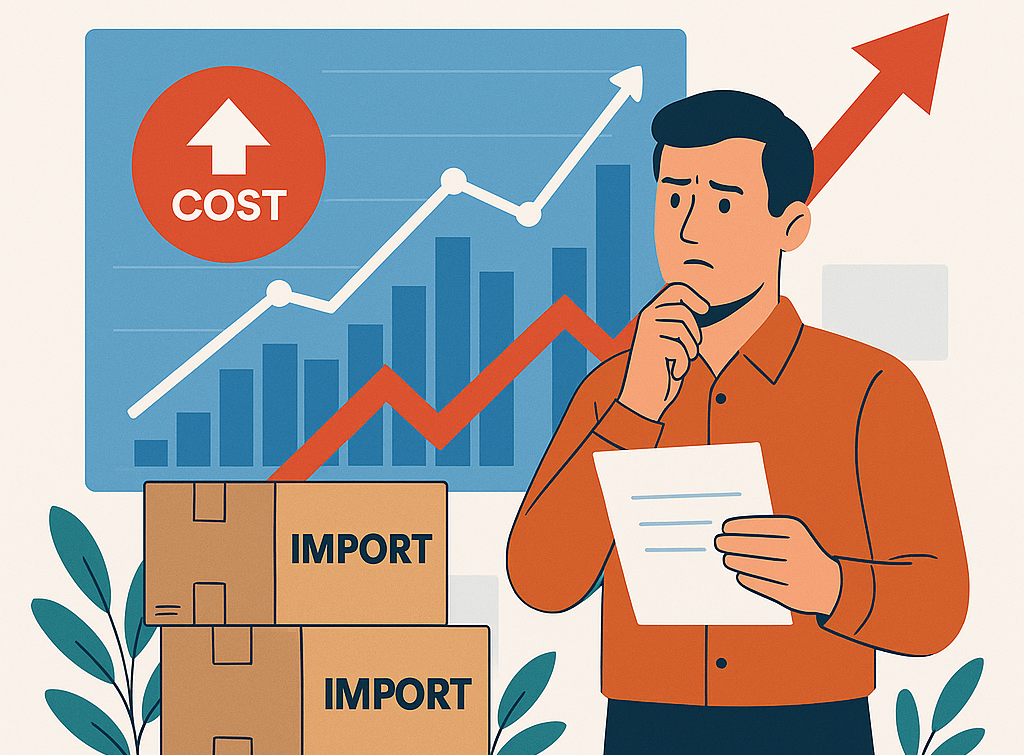
If your business imports goods or raw materials, tariffs can feel like a sudden, invisible tax on your bottom line. They don’t just raise the price of products — they ripple through your supply chain and ultimately affect your cash flow.
In today’s global trade environment, tariffs are a reality for many small and mid-sized businesses. Understanding how they work — and what you can do to soften the impact — is key to keeping your cash flow healthy.
This post will break down what tariffs are, how they impact your cash flows, and practical strategies you can use to manage the risk.
Bottom line: Tariffs are unpredictable, but your cash flow doesn’t have to be.
What Are Tariffs?
A tariff is a tax imposed by a government on imported goods. It increases the cost of bringing products into a country, usually as a way to protect domestic industries or as a response to trade disputes.
For example:
- If you import machinery from overseas, a tariff might add 10–25% to your costs.
- If you’re a retailer importing finished goods, tariffs can instantly increase your inventory costs.
Why Tariffs Matter for Cash Flow
Tariffs affect your cash flow because they directly raise your cost of goods sold (COGS). Here’s how:
- Inventory costs rise – You pay more upfront for the same amount of stock.
- Margins shrink – Unless you raise prices, profits decline.
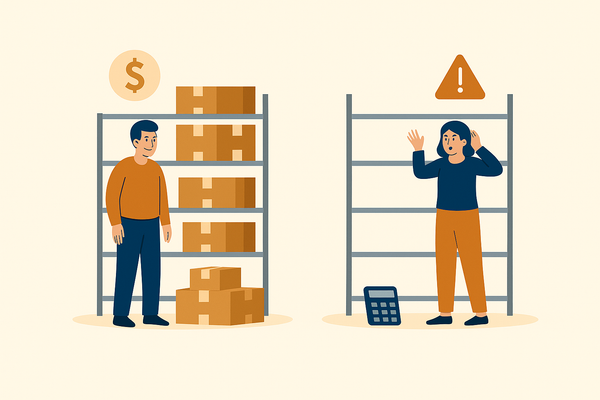
- Working capital tightens – More cash tied up in inventory means less available for operations.
- Uncertainty – Tariffs can change quickly, making planning harder.
In other words, tariffs don’t just squeeze your profit margins — they also disrupt the timing of your inflows and outflows.
Common Challenges Businesses Face with Tariffs
Many business owners run into these problems when tariffs increase:
- Delayed customer payments while supplier costs rise.
- Inability to pass costs onto customers due to competitive pressures.
- Stockpiling inventory ahead of tariff changes, which ties up cash.
- Unexpected duties creating surprise expenses and cash crunches.
How to Manage Tariff Impacts on Cash Flow
While you can’t control government trade policy, you can take steps to protect your cash flow.
Here are practical strategies:
1. Revisit Your Pricing Strategy
If tariffs significantly increase costs, small price adjustments may be necessary. Frame increases around supply chain realities — most customers understand.
2. Diversify Suppliers
Consider sourcing from countries not impacted by tariffs. Even partial diversification reduces risk.
3. Negotiate with Suppliers
Some suppliers may share tariff costs or offer extended payment terms to ease cash strain.
Want to know how to manage Accounts Payable and strategically boost your cash flow? See two of our most popular posts here:
👉 Smart Accounts Payable Strategies to Boost Your Cash Flow.
👉 How to Manage Accounts Payable Effectively (and Keep Your Cash Flow Healthy)
4. Adjust Inventory Management
Avoid overstocking unless tariffs are about to rise sharply. Balance between locking in lower costs and preserving liquidity.
5. Use Forecasting Tools
Update your cash flow forecasts to reflect higher costs. A 13-week rolling forecast helps you see trouble early.
To stay on top of your business cash flow, we provided two actionable resources:
👉 Cash Flow Forecasting Made Simple: A Step-by-Step Guide for Small Businesses
📊 12-Month Cash Flow Forecast Template
6. Build a Cash Buffer
Set aside reserves specifically for unexpected duties or tariff hikes.
7. Explore Duty Drawbacks or Tax Credits
In some cases, you can claim refunds or credits for re-exported goods. Talk to your accountant or trade specialist.
Quick Tariff Resilience Checklist
Ask yourself:
- Have I factored tariff costs into my cash flow forecasts?
- Do I have supplier alternatives if tariffs increase further?
- Can I negotiate better payment terms to preserve cash?
- Am I adjusting pricing where possible to protect margins?
Conclusion
Tariffs are more than just a line item on your import bill — they have real implications for your cash flow. By staying proactive with forecasting, supplier relationships, and pricing strategies, you can protect your business against sudden shocks.
Bottom line: Tariffs are unpredictable, but your cash flow doesn’t have to be.