Cash Flow for Growth & Scaling: How to Avoid the Classic Trap
Let's start from a classic failure in a growing business.
A promising marketing agency doubled its client base in less than a year. Excited by growth, the founder hired more staff, leased a bigger office, and stocked up on equipment. Six months later, despite record revenues, the agency was broke—and eventually shut down.
What went wrong? Cash flow, not profit, killed the business.
In this post, we’ll unpack how scaling impacts cash flow, what to finance, when to invest, and practical steps to grow without running out of money.
Lesson from the Failure: Growth ≠ Cash in Hand
On paper, the agency was thriving: contracts signed, invoices sent, new clients acquired. But clients paid late, payroll was due every two weeks, and rent had to be paid monthly. Expenses outpaced inflows, leaving the business starved for liquidity.
Signs you might be heading down this path:
- Rising sales but declining cash balances.
- Borrowing to cover payroll despite strong pipeline.
- Heavy upfront investments without mapped repayment.
Want to know more about Sales (Revenue) vs. Cash Flow? Review our previous post on the key differences for your business 👇
 CFS Team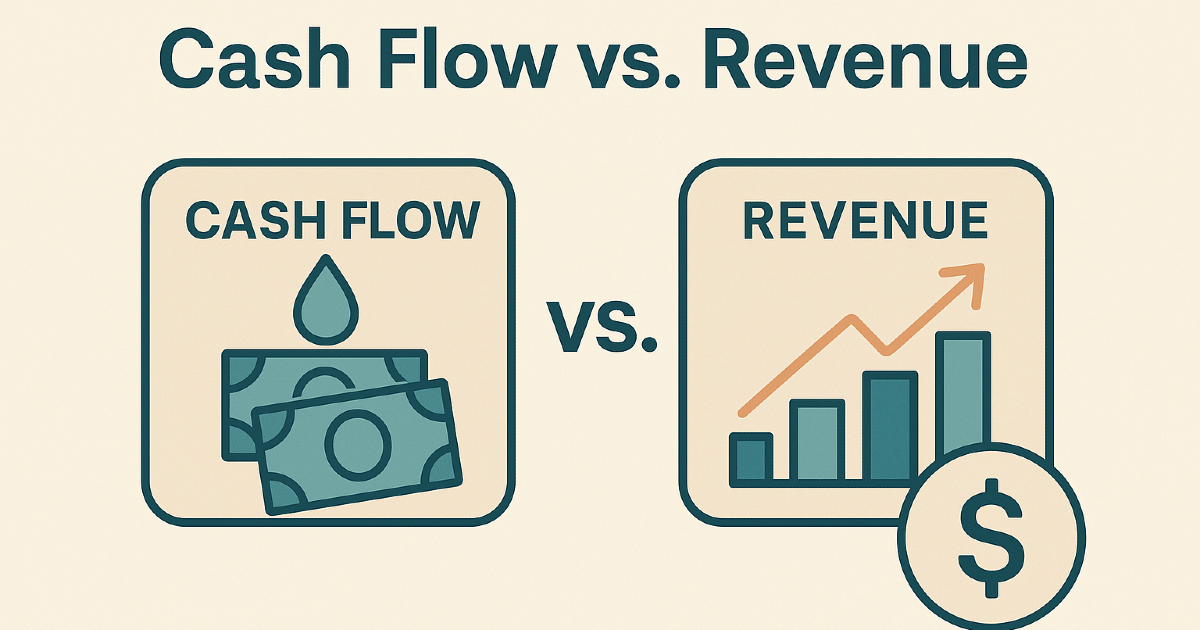
What to Finance (and What Not To)
Not all investments should come from your own pocket. Knowing what to finance (with debt, credit lines, or equity) versus what to cover with operating cash is critical.
Finance (using external capital):
- Long-term assets (e.g., new equipment, office buildouts).
- Large infrastructure projects (e.g., a new warehouse).
- Strategic expansions (e.g., entering a new market).
Avoid financing with debt:
- Ongoing payroll.
- Everyday operating expenses.
- Marketing experiments that may not generate quick returns.
When to Invest: Timing Matters
Growth is exciting, but premature spending can drain your cash. Consider three checkpoints before making a major investment:
- Cash Runway – Do you have at least 3–6 months of operating expenses covered?
- Revenue Predictability – Are sales recurring or dependent on one-time deals?
- Customer Payment Terms – Are clients paying fast enough to support growth?
Example:
A SaaS company with monthly recurring revenue (MRR) and low churn can confidently add developers earlier. A construction company with slow client payments should secure financing before hiring more crews.
How Scaling Impacts Cash Flow
Scaling always creates cash flow pressure because expenses often come before revenue.
- Adding Staff → Payroll hits immediately, while revenue from their work lags.
- Infrastructure Expansion → Rent, utilities, and maintenance increase, regardless of sales.
- Inventory Growth → Cash is tied up in stock until customers buy.
📊 Consider this: CB Insights found 38% of startups fail because they run out of cash, often due to scaling too fast without planning.
Planning for Growth Without Going Broke
Here’s how to scale smartly:
- Build a Cash Flow Forecast
- Map inflows/outflows weekly for the next 13 weeks and/or months.
- Stress-test with best, base, and worst-case scenarios.
- Secure Financing Ahead of Time
- Negotiate lines of credit when cash is strong, not when you’re desperate.
- Explore equipment financing or revenue-based financing for large projects.
- Tighten Working Capital
- Negotiate faster customer payments.
- Slow down supplier payments (without harming relationships).
- Keep inventory lean using just-in-time methods.
- Stage Investments
- Add staff gradually.
- Lease equipment instead of buying upfront.
- Pilot new markets before full rollouts.
Quick Self-Check Before Scaling
Ask yourself:
- Do I know my monthly cash burn?
- Can I cover payroll without new sales for 3 months?
- Do I have financing lined up for big-ticket expenses?
- Is my growth plan tied to a forecast, or just optimism?
If you hesitate on any of these, pause before committing.
Final Takeaway
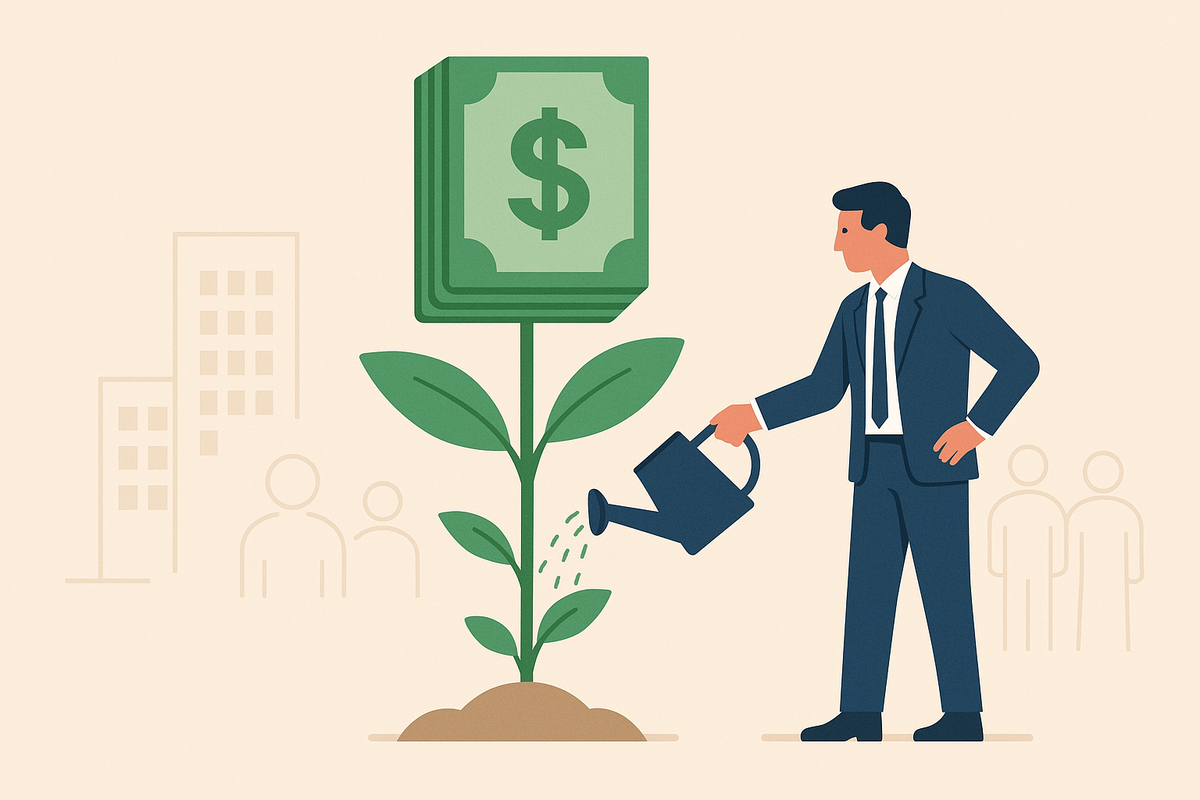
Growth is thrilling, but it’s also a cash-hungry beast. The businesses that scale successfully are the ones that plan their cash flow as carefully as their sales strategy.