Are Lower Interest Rates Always Good for Your Business Cash Flow?
Lower interest rates sound like good news — but are they always? Learn how rate cuts affect business cash flow, the hidden risks they bring, and smart ways to protect your finances.
Introduction
Looks like the Fed is on track to reduce interest rate in the upcoming week(s).
When interest rates drop, most business owners breathe a sigh of relief. Lower borrowing costs, cheaper loans, and more cash in hand — what’s not to love?
But here’s the catch: falling rates don’t automatically mean smooth sailing for your cash flow. In fact, they can create new risks if you’re not careful.
In this post, we’ll explore both sides — the upside of lower rates and the hidden pitfalls — so you can make smart, long-term decisions for your business.
The Bright Side of Lower Rates
Let’s start with the obvious benefits:
- Lower loan payments: If you have variable-rate loans, your monthly obligations shrink.
- Cheaper new borrowing: Expanding or buying equipment gets more affordable.
- More liquidity: Freed-up cash can be redirected toward operations, reserves, or growth.
For many businesses, this feels like instant breathing room.
The Hidden Downsides
But before you celebrate, keep these risks in mind:
- Not all debt benefits: Fixed-rate loans don’t get cheaper, so savings may be smaller than expected.
- Overborrowing temptation: Easy, cheap credit can encourage businesses to take on more debt than they can handle.
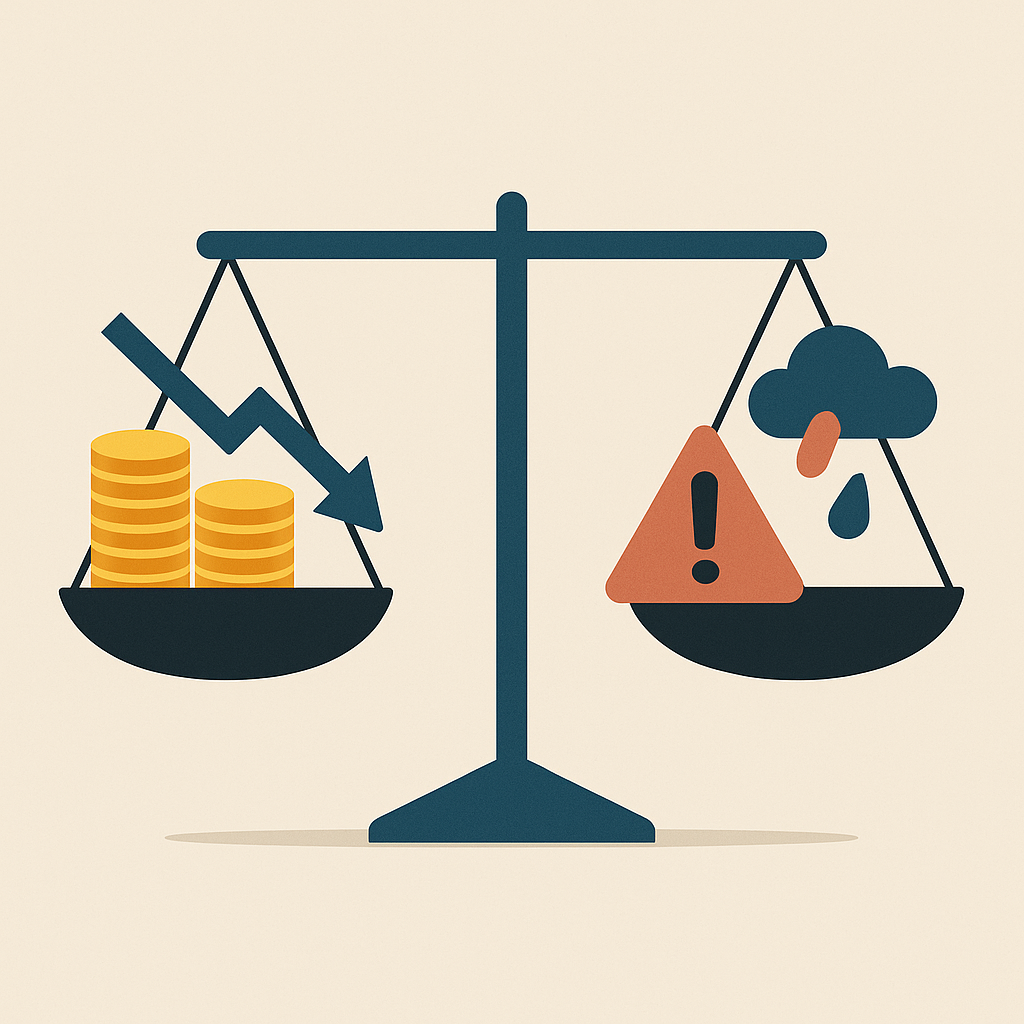
- Future rate hikes: Rates don’t stay low forever. If your cash flow depends on today’s cheaper debt, you could be vulnerable when rates rise again.
Last but probably most hidden and important:
- Economic context matters: Central banks cut rates because the economy is slowing. That means demand for your products or services might also soften, squeezing your inflows while your debt obligations remain.
Why This Matters for Cash Flow
Cash flow isn’t just about lowering expenses — it’s about balance.
A reduction in financing costs helps, but if sales dip in a weak economy or if debt piles up, cash flow can quickly turn negative again.
Smart Moves to Stay Ahead
Here’s how to take advantage of lower rates without falling into the trap:
- Audit Your Debt
Know exactly which loans benefit from lower rates. Don’t assume across the board savings. - Refinance Carefully
If refinancing makes sense, run the numbers — consider fees, terms, and your future plans. - Avoid Overleveraging
Just because money is cheaper doesn’t mean you should borrow more. Keep debt at levels you can comfortably service even if rates climb. - Stress-Test Your Forecasts
Model both lower and higher interest rate scenarios to see how your cash flow holds up. - Focus on Fundamentals
Use savings from lower rates to shore up weak spots — like building a cash buffer, tightening receivables, or improving margins.
Quick Cash Flow Red Flag Check
Ask yourself:
- Am I relying too heavily on today’s lower borrowing costs?
- Would my business still be safe if rates rise again?
- Are interest savings distracting me from other cash flow risks?
Conclusion
Lower interest rates can absolutely help your business cash flow — but they’re not a free pass. The real danger is letting cheaper money mask deeper issues or tempt you into risky borrowing.
Treat rate reductions as an opportunity, not a guarantee. By staying disciplined, you can enjoy the upside today while protecting your cash flow for tomorrow.
Want more update-to-date macro news and how your business cash flow might be impacted? Sign-up below for FREE! 👇